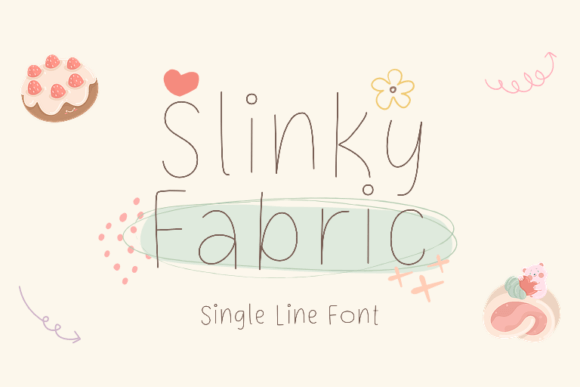
Slinky Fabric: A Neat Script Handwritten Font for Modern Crafters
I was staring at a blank canvas on my screen, trying to design the perfect label for my new line of hand-poured soy candles. The scent was "Midnight Lavender," and I wanted the typography to feel relaxed but sophisticated—not too stiff, not too messy. That’s when I pulled up Slinky Fabric, a neat and casual single line font that immediately caught my eye. As someone who spends hours tweaking kerning and testing print resolutions for Etsy listings, I’m always looking for typefaces that bridge the gap between digital creativity and physical production. After spending an afternoon mocking up labels, sticker sheets, and social media graphics with this typeface, I can confidently say it has the potential to become your favorite go-to resource for creative projects.
Slinky Fabric for Candle Labels and Boutique Packaging Design
When you first open the folder containing these Fonts, the visual personality of Slinky Fabric stands out as effortlessly cool. It isn’t just a standard script; it carries a distinct handwritten charm that feels personal yet polished. For product makers, especially those selling artisanal goods like candles, bath bombs, or small jewelry pieces, packaging is half the battle. I tested Slinky Fabric on a mockup for a minimalist candle jar label. The way the letters connect creates a continuous flow that guides the eye smoothly across the text, making it ideal for short phrases and brand names.
The font’s casual nature works beautifully against clean backgrounds. Whether you are using a kraft paper texture for an eco-friendly vibe or a sleek matte black for a luxury aesthetic, Slinky Fabric adapts without losing its legibility. I found that pairing it with a simple sans serif font for the smaller details—like weight, scent notes, or ingredients—created a balanced hierarchy. This combination allows the brand name to shine while keeping essential information readable. If you are designing boutique tags or hang tags for clothing lines, this script adds a touch of elegance that customers associate with handmade quality. It elevates the perceived value of your product simply by looking professionally curated.
Slinky Fabric in Digital Downloads and Printable Wall Art
As a creator of digital assets, I know that readability on screens is just as important as print quality. I decided to test how Slinky Fabric performed in printable wall art and planner pages. Because it is a script font, it shines best as a display element rather than body text. I created a series of motivational quotes for a home office printables bundle. The font’s neat structure ensures that even when scaled down for thumbnail previews in online marketplaces, the text remains clear and inviting.
For digital designers, versatility is key. I used Slinky Fabric to create editable templates for wedding invitations and birthday party signs. The single-line nature of the design means it renders cleanly in most vector editing software, which is crucial if you are offering SVG files for Cricut or Silhouette users. When customers download your designs, they want something that cuts easily and prints sharply. I noticed that the curves in the letters were smooth enough to prevent jagged edges during cutting, a common pain point for hobbyists. Furthermore, the font’s modern typography style fits seamlessly into contemporary interior decor trends, making your digital downloads more appealing to buyers looking for farmhouse, boho, or minimalist home accents.
Slinky Fabric for Greeting Cards and Stationery Projects
There is something inherently warm about handwritten-style typography, and Slinky Fabric captures that emotion perfectly. I spent some time designing a set of greeting cards for various occasions, from birthdays to thank-you notes. The font’s casual tone makes it feel friendly and approachable, which is exactly what you want for personal correspondence. I tested it on both standard cardstock and textured watercolor paper mockups. On the textured surface, the slight variations in the stroke width added depth, mimicking the look of real ink on paper.
One of the strongest use cases for this typeface is in stationery design where emotional appeal matters. Whether you are creating wedding welcome boards, table numbers, or personalized gift tags, Slinky Fabric brings a cohesive brand identity to your collection. It pairs exceptionally well with floral illustrations or botanical elements, enhancing the natural, organic feel of such designs. However, I did find that for longer paragraphs of text, such as detailed event instructions or extensive storylines on a card back, the font might become difficult to read. In those instances, I recommend sticking to a clean serif font or a basic sans serif font for the body copy, reserving Slinky Fabric for headers, names, and decorative wording. This strategic pairing ensures that your design remains visually engaging without sacrificing communication clarity.
Slinky Fabric on Merchandise and Physical Products
Moving beyond paper products, I explored how Slinky Fabric translates to physical merchandise like tote bags, mugs, and t-shirts. Using heat transfer vinyl (HTV) and sublimation printers, the font held up remarkably well. The clean lines of the script meant that there were fewer thin fragments to worry about tearing or peeling off after washing. For example, when I designed a logo for a reusable tote bag, the font’s neat appearance ensured that the brand looked professional and durable.
It is also worth noting the commercial potential of this font. Many sellers look for unique assets to differentiate their shops. By incorporating Slinky Fabric into your brand identity, you can create a consistent look across all your channels, from Instagram posts to physical packaging. Before you start selling physical products, make sure to check the included styles and licensing terms. Most premium fonts come with specific guidelines regarding commercial use, so verifying that you have the right license for merchandise sales is a critical step. Additionally, exploring any available alternates, ligatures, or swashes can add extra flair to your designs, allowing you to customize the look for different seasons or themes, such as holiday tags or summer sale graphics.
Readability Tips for Small Cuts and Dense Layouts
While Slinky Fabric is versatile, every designer needs to be mindful of scale. I encountered a challenge when trying to fit too much text onto a tiny sticker size. The connected letters, while beautiful, can merge visually if the text is too small or if the spacing (kerning) is too tight. For very tiny cuts or dense label information, such as ingredient lists on small jars, I advise against using this font as the primary text source. Instead, use it for the main title or logo, and rely on a highly legible sans serif font for the fine print. This approach maintains the aesthetic charm of Slinky Fabric while ensuring that your customers can easily read important product details. Always preview your designs at actual size before finalizing your print files to catch any potential readability issues early in the process.
Why Slinky Fabric Fits Your Creative Workflow
In the end, choosing the right typeface is about finding a tool that enhances your creativity without getting in the way. Slinky Fabric strikes that balance perfectly. Its neat and casual character makes it suitable for a wide range of applications, from crafts and digital design to presentations and making greeting cards. It offers the flexibility needed for both solo hobbyists and serious business owners looking to refine their brand image. By integrating this script font into your design toolkit, you gain access to a versatile asset that speaks to modern tastes while maintaining a personal, handmade touch. Whether you are launching a new shop or refreshing an existing one, Slinky Fabric provides the visual polish that helps your products stand out in a crowded marketplace.